

Synthetic Bristle Production Scalability: Meeting Rising Market Demand
Synthetic Bristle Production Scalability: Meeting Rising Market Demand
The global demand for synthetic bristles has surged in recent years, driven by evolving consumer preferences, expanding application industries, and a shift toward cruelty-free and cost-effective alternatives to natural bristles. As manufacturers race to keep pace, the scalability of synthetic bristle production has become a critical focus—balancing increased output with consistent quality, sustainability, and cost efficiency.
The Drivers Behind Growing Demand
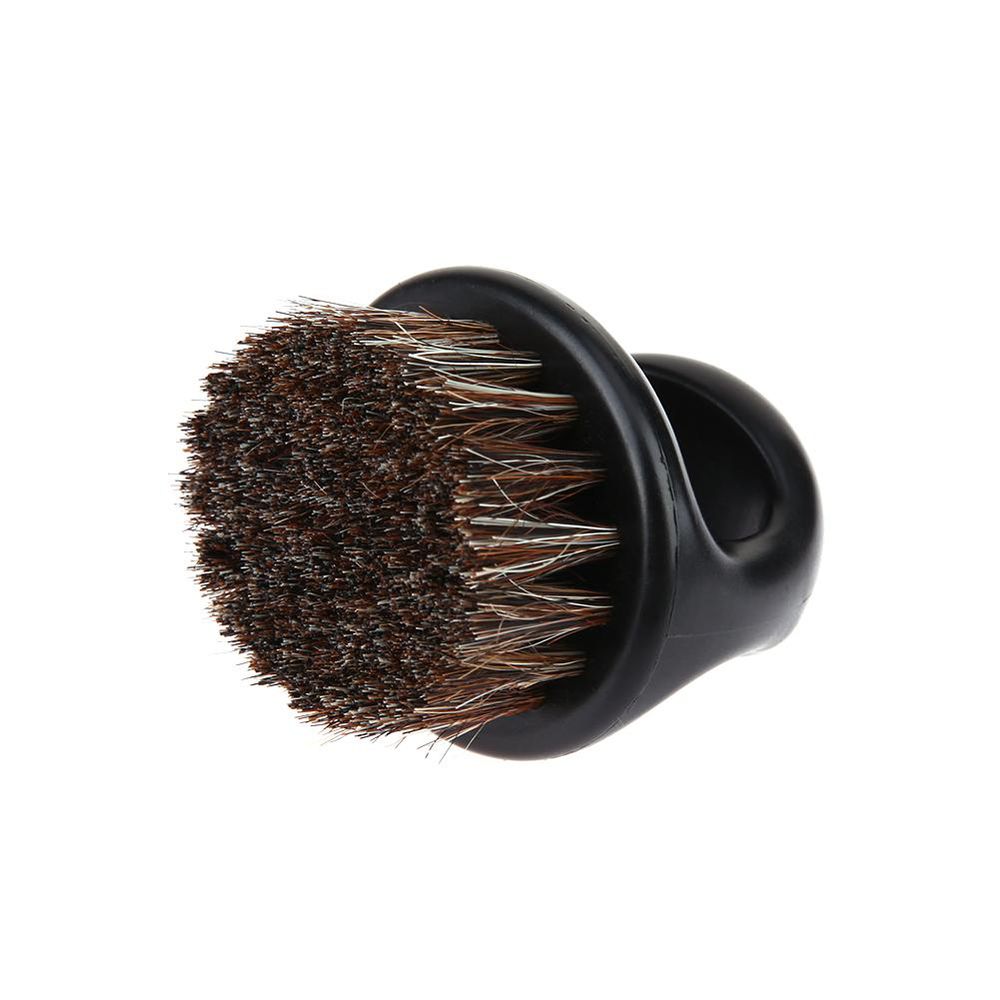
Synthetic bristles, made from materials like nylon, PBT (polybutylene terephthalate), and polyester, have gained traction across sectors. In personal care,剃须 brushes and makeup tools increasingly favor synthetic options for their durability, water retention, and hypoallergenic properties, appealing to eco-conscious consumers avoiding animal-derived products. Industrial sectors, too, rely on synthetic bristles for their resistance to chemicals and heat, used in everything from paintbrushes to machinery cleaning tools. Market reports project the synthetic bristle market to grow at a CAGR of 5.2% through 2030, with Asia-Pacific leading demand due to manufacturing hubs and rising disposable incomes.

Key Challenges in Scaling Production
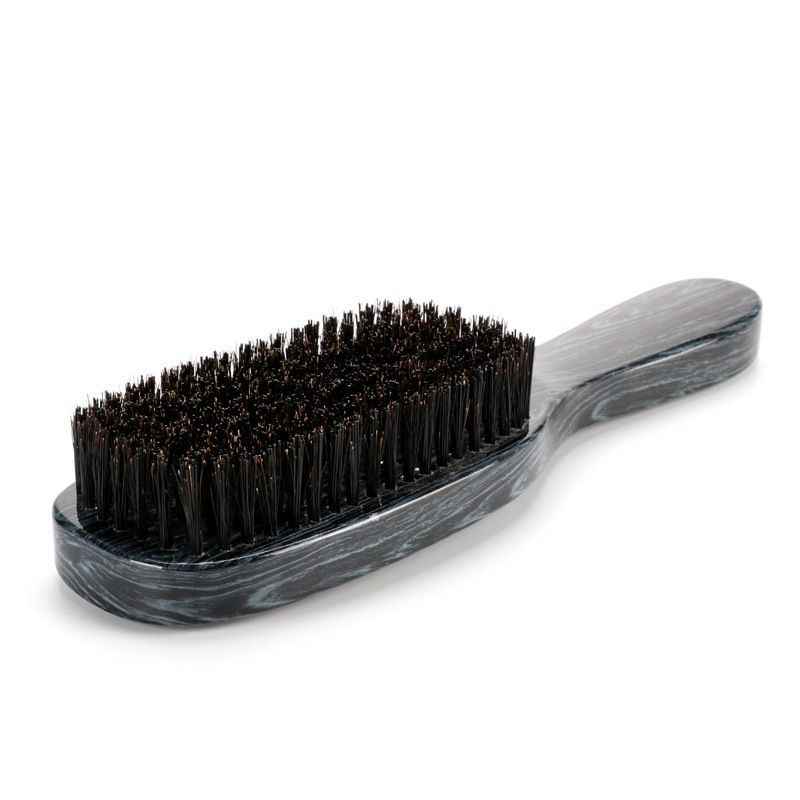
Scaling synthetic bristle production is not without hurdles. First, raw material consistency is paramount. Fluctuations in polymer resin quality or supply chain disruptions can compromise bristle performance—critical for applications like precision剃须 brushes, where bristle softness and shape retention directly impact user experience. Second, traditional manufacturing processes, such as extrusion and trimming, often rely on manual labor, limiting throughput and increasing error rates. Third, sustainability pressures require reducing energy consumption and waste, adding complexity to high-volume production.
Innovations Powering Scalability
To address these challenges, manufacturers are turning to technology and strategic optimization:
1. Automation and Smart Manufacturing: Automated extrusion lines, equipped with AI-driven quality control systems, now monitor bristle diameter, flexibility, and texture in real time. Robotic trimming and sorting reduce labor costs and improve consistency, enabling 24/7 production with minimal downtime. For example, modular production units allow quick reconfiguration to switch between bristle types (e.g., fine-tipped for makeup vs. rigid for industrial use), adapting to market demand spikes.
2. Material Science Advancements: New polymer blends enhance bristle performance while reducing production time. Modified nylon formulations, for instance, offer better heat resistance and softer触感 without sacrificing durability, allowing faster cooling during extrusion. Additionally, recycled polymers are being integrated into production, aligning with sustainability goals and reducing reliance on virgin materials.
3. Supply Chain Resilience: Partnering with local polymer suppliers and investing in raw material stockpiles mitigates geopolitical or logistical risks. Vertical integration—owning resin production or recycling facilities—further stabilizes costs and ensures material traceability, a key selling point for brands prioritizing transparency.
The Path Forward: Balancing Quantity and Quality
Scalability in synthetic bristle production is not just about increasing output; it’s about delivering value. As demand grows, manufacturers must prioritize R&D to innovate bristle designs (e.g., tapered tips for smoother剃须) and production methods that reduce environmental impact. Collaborations with end-users—like cosmetic brands or industrial tool manufacturers—can also drive customization, ensuring products meet niche market needs while maintaining scalable processes.
In conclusion, the rise in synthetic bristle demand presents both opportunities and challenges. By leveraging automation, material innovation, and supply chain resilience, manufacturers can scale production effectively, meeting market needs without compromising quality or sustainability. As the industry evolves, scalability will remain a cornerstone of success, enabling synthetic bristles to solidify their role as a versatile, ethical, and high-performance solution.


